What You Should Know About the Live Dealer Experience

When you go to Maxbet Casino, you step into a space where the sophisticated feel of a land-based location meets the convenience of digital play. The live dealer experience stands at the heart of that meeting point, streaming real dealers from professional studio environments directly to your screen. We have observed that many players initially treat these tables with the same habits they use on automated RNG titles, only to find that the rhythm, interaction, and pace demand a completely different mindset. Comprehending how the live dealer environment functions, what equipment powers it, and which strategic adjustments enhance your sessions transforms casual curiosity into confident participation. We want to take you through the mechanics, the game varieties, the technical requirements, and the etiquette that form genuine live casino play.
The Technology That Powers Real-Time Streaming
Consistent live play depends on low-latency streaming protocols and HTML5 players that adapt resolution from 720p to 4K based on your connection. The betting panel sits directly on the video, eliminating tab switching. A stable 5 Mbps connection delivers smooth HD; the platform smoothly downgrades on weaker signals. High-quality microphones pick up card shuffles, ball clicks, and dealer announcements, boosting authenticity. A moderated chat lets you message the dealer, who answers verbally. The system tracks every bet and transaction for easy review. This integration between physical studio and digital interface has been perfected through millions of hands, and regulatory bodies mandate periodic testing of the streaming infrastructure to catch any faults.
Hybrid Game Shows and Their Role in the Live Casino Lobby
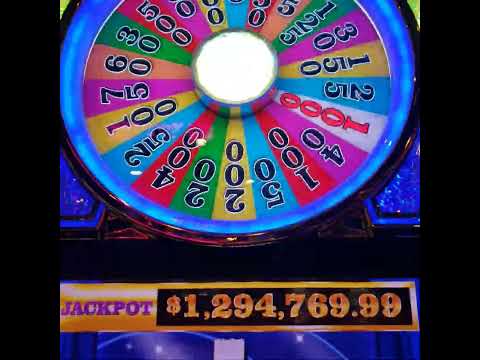
Beyond conventional tables, game show hybrids such as Crazy Time, Monopoly Live, and Mega Ball merge spinning wheels, dice tosses, and multiplier segments with energetic hosts. A big vertical wheel or ball-draw machine takes centre stage, and the host builds anticipation. Those games generally offer lower minimum wagers and a broad range of bonus games that boost payouts, but the base house edge is often higher than standard roulette. Once the bet window closes, you simply watch; this passive nature is appealing when we want the live ambiance without strategic decisions. The chat room often becomes more lively, with players cheering multiplier landings. We consider these hybrid games as a real expansion of the live dealer format, drawing in a larger audience.
The way the Live Dealer Experience Is different from RNG and Land-Based Play
Live dealer play occupies a unique middle ground: it adopts the tactile reality of physical casinos—real cards, wheels, and dealer voices—but presents it through your device. You skip dress codes, travel, and crowded tables, yet the fixed human pace cannot be fast-forwarded. This rhythm discourages rapid-fire tilt betting and provides breathing room. Transparency is another key distinction; you see the roulette ball bounce and cards leave the shoe, with slow-motion replays confirming outcomes. Small human imperfections, like a fumbled card reveal, bring authenticity. The combination of visible mechanics and realistic tempo makes live play feel less abstract than clicking a ‘deal’ button, which is the reason for its rapid growth.
The Function of Optical Recognition and Display Overlays
Every card passes over an embedded scanner or under a camera running OCR, which interprets suit and rank in fractions of a second. The interface then marks winning hands and updates your balance. Mistakes are rare; if one occurs, the pit boss fixes the record before the round continues. Roulette tables use sensors in the wheel bowl compared with high-speed cameras to confirm the winning number within a second. For dice games like Sic Bo, glass-enclosed shakers with vibration sensors register outcomes. Three independent layers—dealer, optical reader, and software middleware—must align before funds settle, making errors nearly impossible to go unnoticed unnoticed.
Deposit Methods and Typical Processing Windows
Payment choices typically encompass debit/credit cards, e-wallets like Skrill and Neteller, prepaid vouchers, and bank transfers. Card and e-wallet deposits show up instantly, letting you jump from the cashier to the live lobby in seconds. Withdrawals differ: e-wallet cashouts often are processed within 24 hours after approval, while card returns may take two to five business days. The first withdrawal activates KYC verification; providing documents quickly accelerates the process. Some platforms offer a pending reversal window, but we consider withdrawals as final decisions. Reviewing the cashier FAQ beforehand explains limits and timelines, removing guesswork about which method works for your region and schedule.
Getting Started: A Practical Walkthrough for New Players
After depositing your account, navigate to the live casino lobby, which displays table thumbnails with dealer images, minimum bets, and seated player counts. Pick a table, and the stream loads. Before betting, locate the timer bar, chat box, balance display, and rules icon—a quick orientation prevents missed deadlines. Choose a chip denomination, then tap the felt to place your wager. The dealer states when betting closes. In decision-based games like blackjack, hit, stand, double, and split buttons activate once cards appear; the system dims unavailable actions. We suggest going with flat bets at the table minimum for the first few rounds to learn the timing before increasing.
Grasping the Dealer Interaction and Pace
Human dealers are professional staff who control table flow, announce outcomes, and reply to chat. The mechanical motions of shuffling and spinning create built-in breaks, offering you about 15 seconds to act on a regular blackjack hand. We swiftly get used to this rhythm by choosing in advance chip denominations and observing the timer bar. The chat feature adds a social layer; a cordial comment often earns a spoken response, underscoring that real people are stationed on both sides. Dealers undergo training in screen consciousness and impartial interaction, never giving gameplay advice but performing smooth card sweeps and precise wheel spins. This sleek professionalism sets live tables apart from automated products.
Pros and Limitations Worth Noting
Advantages include human interaction, transparent dealing, a relaxed pace, and the ability to play multiple tables simultaneously—something physical casinos cannot replicate. The chat function adds a light communal aspect without face-to-face pressure. Disadvantages arise during peak hours when standard blackjack seats fill, forcing Bet Behind or alternative variants. The slower pace may frustrate players with limited time, and streaming demands a stable connection; a Wi-Fi backup or strong 4G/5G signal helps. Live table minimums often start higher than RNG equivalents due to operational costs, though roulette allows fractional chip bets. We consider these trade-offs based on mood: live tables for atmosphere-rich evenings, RNG for quick low-stakes sessions.
How exactly the Live Dealer Studio Really Works
The broadcast comes from a dedicated studio or a roped off casino floor zone. Numerous high-definition cameras capture overhead angles, close-ups, and wide shots, while optical character recognition rapidly reads every card and superimposes values on your screen. A game control unit compresses the stream and aligns it with your betting interface, encrypting the feed with redundant streams to stop downtime. Dealers adhere to precise scripts under pit boss supervision, changing every 40–60 minutes to stay sharp. Third-party auditors periodically check shuffling machines, wheel calibration, and optical readers. This infrastructure, costing millions, makes sure every shuffle and spin unfolds transparently, just as it would in a physical casino without the travel.
Mobile Accessibility and Hardware Requirements
Live streams run directly through mobile browsers using HTML5, with no separate app required. Touch targets reflow for portrait or landscape orientation, maintaining the dealer visible above the bet panel. Devices from the last three to four years handle streams smoothly; older phones can switch to a lower quality preset. Tablets provide a generous screen that minimizes mis-taps, while desktop is the reference experience, especially with multiple monitors. The full range of roulette, blackjack, baccarat, and game show tables shows up on any device, and landscape mode often improves button spacing on small screens. We find the experience consistent across platforms, with only minor adjustments needed for optimal comfort.
Supplementary Bets, Returns, and Game Plan Tweaks for Live Play
Physical tables often offer supplementary bets like Perfect Pair or 21+3, which bring more risk and a higher house margin. We consider them as occasional seasoning, not the core offering. Roulette frequently presents racetrack layouts for neighbor and tier wagers. Because real blackjack deals only 40–80 hands per hour—far slower than rapid RNG options—your bankroll stretches further in minutes but compresses decision points. We recommend having a basic strategy card nearby, as the timed window forces hunch-based play. In the baccarat game, the reduced pace allows extra time to examine virtual trend charts. Welcoming the rhythm as a benefit rather than a weakness allows you to enjoy the physical atmosphere on its own conditions.
Typical Questions Beginning Live Players Pose
- Can I play multiple live tables at once? Certainly, if your device and bandwidth support it. Open each table in a separate browser tab or window. Note that decision-based games require simultaneous attention, so focusing on roulette or baccarat for secondary tables minimizes the chance of missing a betting window.
- What happens if my stream disconnects mid-round? The system captures your placed bet. If the round completes normally, the result posts to your account. Reconnect to the table or check the game history to confirm the outcome. No bet is voided solely due to a client-side disconnection.
- Are live dealer bonuses different from slots bonuses? Often yes. Some promotions exclude live games or assign them a lower wagering contribution percentage. Be sure to read the terms of any bonus before assuming it applies to the live lobby. Look at the promotional conditions on the Maxbet Casino page for current specifics.
- Do dealers influence outcomes intentionally? No. The combination of physical randomness, optical recording, and pit boss oversight makes dealer manipulation structurally impossible in a regulated studio. Dealers execute procedural scripts and have no stake in individual player results.
Regulation, Security, and Fairness in the Live Dealer Industry
A legitimate live dealer studio possesses a gambling licence from a approved jurisdiction, subject to regular inspections of shuffling machines, wheel balance, and optical recognition equipment. The connection between your device and the game server functions under TLS encryption, protecting bet data and personal details. Payment processing follows anti-money-laundering protocols, requiring identity verification (KYC) before withdrawals. While the first withdrawal may take longer, subsequent ones go through faster once verified. Independent testing houses like eCOGRA, iTech Labs, or GLI issue certification reports, attesting to ongoing monitoring. The physical nature of the equipment makes manipulation noticeable, and three-layer result verification avoids errors. We examine for these seals to ensure the platform meets regulatory standards.
Game Varieties You Will Come Across on the Live Gaming Floor
Most halls focus on blackjack, roulette, and baccarat. Standard seven-seat blackjack tables offer timed decisions and Bet Behind when seats are full; infinite variants eliminate seat limits entirely. Roulette wheels span single-zero to immersive multi-camera experiences, while speed roulette quickens the pace. Baccarat tables include traditional punto banco with squeeze rituals, and some studios include Dragon Tiger or Sic Bo with real dice. Game show hybrids like Dream Catcher and Crazy Time combine money wheels with bonus rounds hosted by energetic presenters, bringing a lighter, entertainment-first atmosphere. Each format alters the pace and side bet options, so we select based on whether we want strategic depth or pure spectacle.
Bankroll Management for Long Live Sessions
The engrossing pace can extend sessions without you realizing, so we set a firm session limit and break it into units corresponding to the table minimum https://maxbetcasino.gr/. A €100 bankroll on a €1-minimum roulette table gives 100 base units, absorbing normal variance. Live interfaces display balance, current bets, and recent history on one screen; glancing at these every five to ten rounds maintains awareness. We also establish a timer for 45–60 minutes to encourage a break. Walking away for a single hand protects your bankroll from unsupervised decisions. Many platforms offer deposit limits and reality-check reminders that you can turn on in account settings, adding a passive safety net without disrupting play.
How Loyalty Systems and Live Play Interact with each other
Most loyalty schemes monitor live dealer wagers similarly to slots, though earn rates could differ. Points usually accumulate on total wagered, rather than won or lost. Low-house-edge games like blackjack can create steady point accrual over extended sessions. We review terms for any reduced contribution percentages. Periodic live-casino tournaments bring a competitive edge, ordering players by wagered amount or rounds played. We take part selectively, remaining with familiar tables to avoid inflating bets for leaderboard position. Consistency is inclined to outperform volume spikes; regular moderate sessions yield steadier point accumulation and preserve decision quality. The chat sometimes announces tournament updates, with dealers congratulating top-ranked players, strengthening community engagement.
The reason the Live Dealer Floor Keeps to Increase
The expansion of live dealer gaming reflects demand for authenticity that pure software cannot imitate. Streaming quality now rivals broadcast television, with studios putting resources in set design, lighting, and audio engineering. A demographic shift reveals mobile-first players looking for tactile experiences without departing from their devices. Many studios offer dealers fluent in multiple languages, broadening accessibility. Regulatory frameworks have matured, with specific technical standards for optical recognition, shuffle protocols, and dealer conduct, offering players clear compliance benchmarks. The result is a product that even sceptical newcomers can evaluate against published audit reports. We view the live dealer lobby as the closest approximation to a casino resort night at home—real cards, physical wheels, and trained professionals under live scrutiny, attracting those who appreciate clarity and shared moments.
